

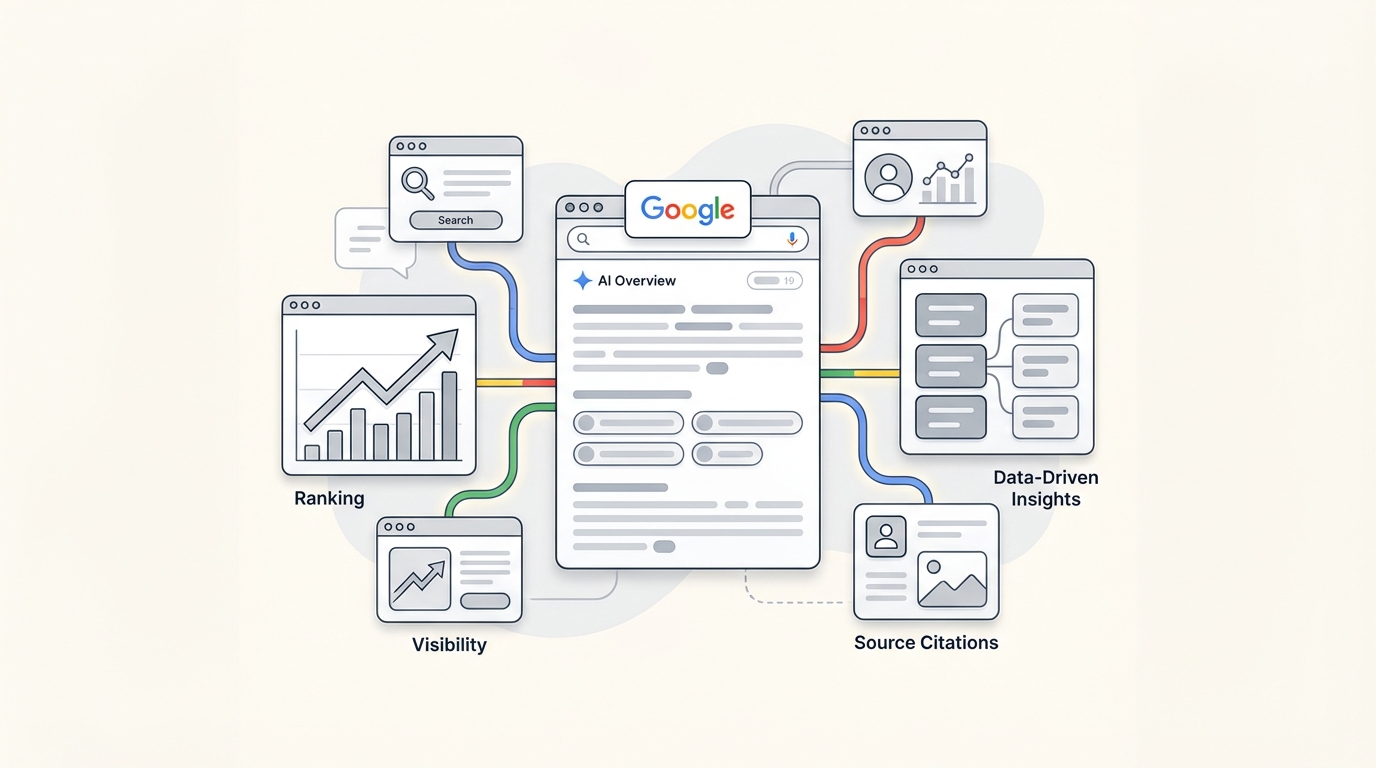
Google AI Overviews have fundamentally changed how users interact with search. These AI-generated summaries now appear at the top of search results for millions of queries, giving users instant answers while reshaping how businesses earn visibility.
If you’re still optimizing solely for the traditional ten blue links, you’re missing the bigger picture. AI Overviews cite sources differently. They prioritize context over exact keyword matches. And they reward content that demonstrates genuine expertise, not just SEO tricks.
This guide breaks down what actually works. We’ve analyzed data from studies covering over 800,000 keywords to give you actionable strategies for earning citations in AI-generated summaries. No fluff. Just proven tactics you can implement today.
What are Google AI Overviews?
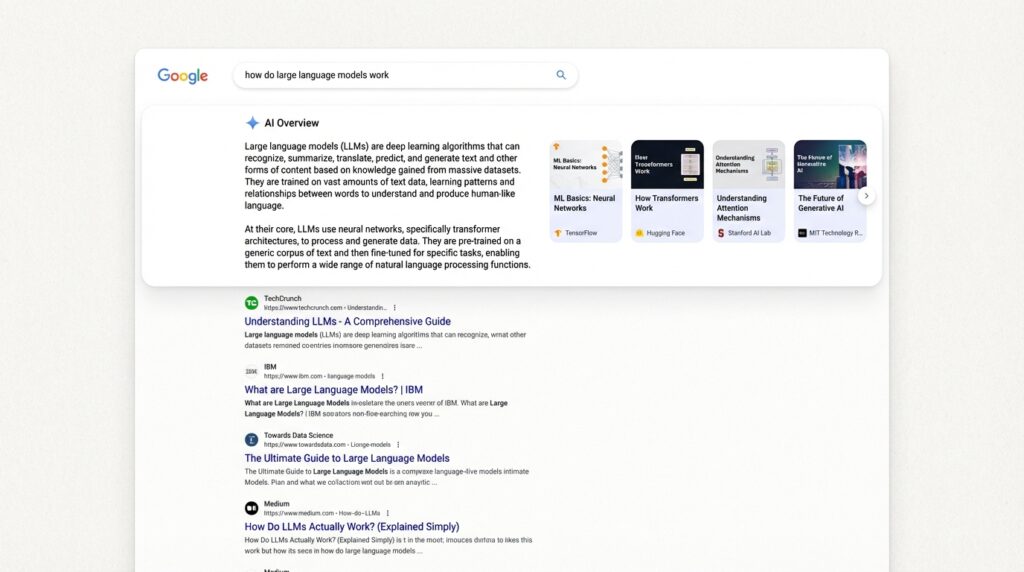
Google AI Overviews are AI-generated summaries that appear at the top of search results, designed to give users direct answers without requiring multiple clicks. Think of them as Google’s attempt to act like a research assistant: scanning multiple sources, pulling key points, and presenting relevant information in a neatly packaged overview.
Unlike featured snippets, which pull from a single source, AI Overviews synthesize information from multiple websites. They appear most often for informational queries, complex questions, and topics where users typically need to visit several pages to get a complete answer.
Google first previewed this technology in May 2023 as the Search Generative Experience (SGE). After extensive testing, they rebranded it as Google AI Overviews and began rolling it out broadly in May 2024. Today, these overviews appear for a significant portion of searches and continue to expand.
The impact on search behavior is measurable. Users are increasingly finding what they need directly in the overview, leading to what’s now called “zero-click searches.” For businesses, this means the game has changed. It’s no longer just about ranking #1. It’s about being selected as a trusted source within the AI-generated summary itself.
How AI Overviews select sources: The data
Let’s look at what the research actually tells us about how Google chooses which content to cite.
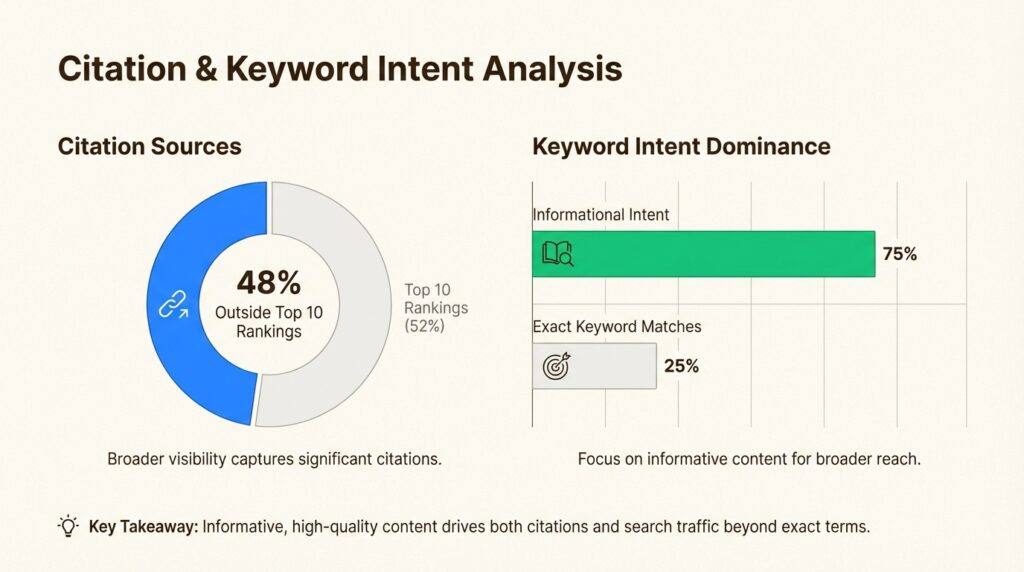
A study by Surfer SEO analyzing 405,576 AI Overview searches found that 52% of citations come from pages ranking in the top 10 organic results. That means nearly half, 48%, come from beyond the first page. You don’t need to rank #1 to get cited.
A separate study by Ahrefs covering over 300,000 keywords revealed that 99.2% of AI Overviews are triggered by informational search queries. If you’re targeting transactional or navigational keywords, AI Overviews are less relevant. But for educational content, they’re dominant.
Here’s where it gets interesting. That same Ahrefs study found that AI Overviews mention exact keyword phrases only 5.4% of the time. Google is prioritizing context and intent over exact-match optimization. The algorithm understands that “best month to visit Canada” and “best time to visit Canada” address the same intent.
Mobile matters more than ever. According to Ahrefs, 81% of AI Overview citations come from mobile traffic. If your site isn’t optimized for mobile users, you’re leaving visibility on the table.
Finally, the barrier to entry is lower than you might expect. The average keyword difficulty for queries triggering AI Overviews is just 12 on Ahrefs’ scale. These are often long-tail, specific questions with three to four words rather than broad, competitive terms.
Step 1: Build E-E-A-T signals that AI systems trust
Google’s automated systems use multiple factors to identify content demonstrating Experience, Expertise, Authoritativeness, and Trustworthiness. Of these four components, trust is the most important. Content doesn’t need to demonstrate all four aspects, but it must be trustworthy.
Here’s how to strengthen each pillar:
Experience: Show first-hand knowledge. Include case studies from your actual work. Share original data you’ve collected. Write about topics where you have direct, practical experience rather than just theoretical knowledge.
Expertise: Make authorship transparent. Every article should have a byline linking to an author page with credentials, background, and areas of expertise. For YMYL topics (health, finance, safety), this is non-negotiable. Google’s systems give even more weight to E-E-A-T for topics that could significantly impact people’s lives.
Authoritativeness: Build recognition as a go-to source in your niche. This happens through consistent publication of high-quality content, earning mentions from other reputable sites, and developing topical depth rather than covering everything superficially.
Trustworthiness: Cite your sources. Link to reputable references. Keep information accurate and current. Make it easy for readers to verify your claims. Google’s quality raters specifically look for clear sourcing and evidence of expertise.
Ask yourself the “Who, How, and Why” about every piece of content you publish. Who created it? How was it produced? And most importantly, why was it created? If the primary purpose is helping people rather than attracting search visits, you’re on the right track.
Step 2: Structure content for AI parsing
AI systems parse content differently than human readers. They look for clear signals about what information is most important and how ideas relate to each other.
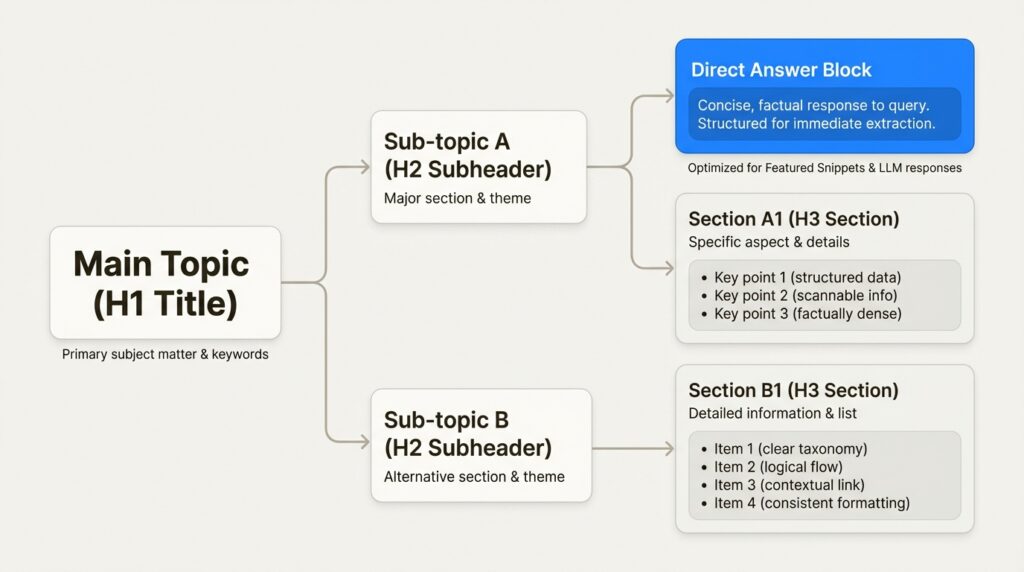
Lead with answers. Start sections with a direct definition or takeaway before adding supporting context. If someone asks “what is X,” give them the definition in the first sentence, then elaborate.
Use scannable formatting. Bullet points, numbered lists, and clear H2/H3 headings make your content easier for AI to parse. Break processes into numbered steps. Use tables for comparisons. Format FAQs with clear question-answer pairs.
Target long-tail keywords. AI Overviews trigger more for specific, three-to-four word queries than broad one-to-two word terms. Use tools like AnswerThePublic or Google’s “People Also Ask” to find the exact questions your audience is asking. Then answer them directly.
Keep it fresh. AI Overviews favor recent, updated content. Regularly refresh your articles with new data, statistics, and insights. This signals relevance and can improve your chances of being cited.
Write for semantic understanding. Cover related topics naturally within your content. If you’re writing about “SEO for AI Overviews,” also address related concepts like E-E-A-T, structured data, and content freshness. This helps AI systems understand the full context of your expertise.
Step 3: Implement technical foundations
Meeting Google’s technical requirements isn’t optional. It’s the foundation everything else builds on.
Structured data markup helps search engines understand your content’s context. For articles, implement Article schema with properties like headline, author, datePublished, and publisher. For FAQ sections, use FAQPage schema. Just ensure your structured data matches the visible content on the page exactly.
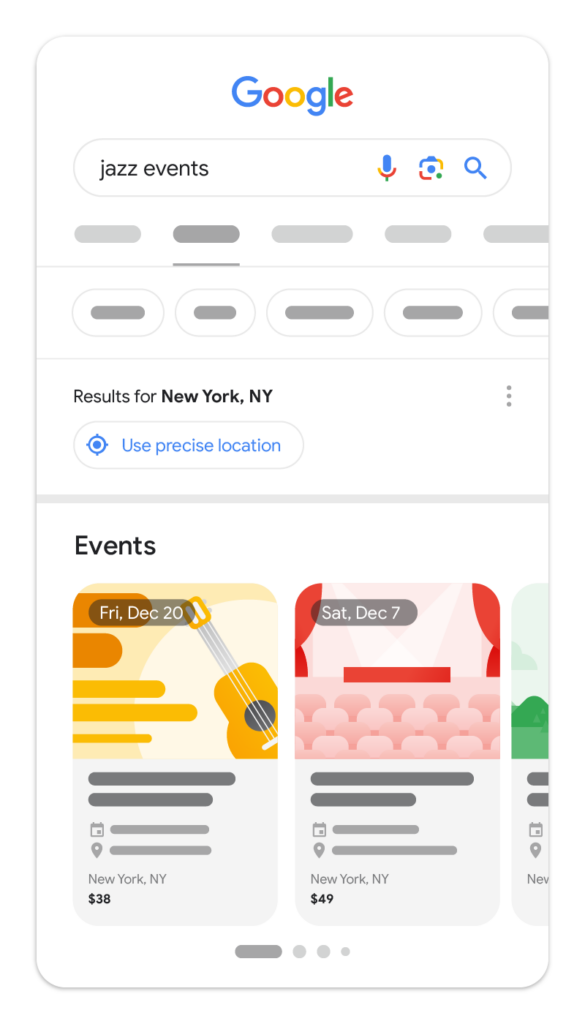
Mobile-first optimization is critical given that 81% of AI citations come from mobile. Use responsive design so your site displays well on all devices. Test page speed with Google PageSpeed Insights and address any issues. Ensure your mobile experience is as complete as your desktop version.
Ensure crawlability. Make sure Googlebot isn’t blocked by robots.txt or CDN configurations. Verify that important pages return HTTP 200 status codes. Use internal linking to make content discoverable. If Google can’t crawl it, it can’t cite it.
Maintain freshness signals. Update your content regularly with new information. For time-sensitive topics, show last-modified dates. Remove or update outdated information. Google’s systems favor content that demonstrates ongoing relevance.
Support multimodal search. Include high-quality images and videos alongside your text. Keep your Google Business Profile and Merchant Center information current. AI Overviews increasingly incorporate visual elements, and having rich media can improve your chances of inclusion.
Step 4: Optimize for context, not just keywords
The data is clear: AI Overviews mention exact keyword phrases only 5.4% of the time. Google’s systems have moved beyond simple keyword matching to understanding intent and context.
Answer the full query intent. If someone searches “how to rank in Google AI Overviews,” they want actionable strategies, not just a definition. Cover the what, why, and how in your content.
Use “People Also Ask” questions as section headers. These represent real queries users are making. By structuring your content around them, you align with how AI systems understand topic relevance.
Cover related topics naturally. Don’t force keywords. Instead, write comprehensively about your subject. If the topic is AI Overview optimization, naturally address related concepts like E-E-A-T, structured data, mobile SEO, and content freshness.
Think in topics, not terms. Google’s AI uses “query fan-out” techniques, issuing multiple related searches across subtopics to develop responses. Content that covers a topic holistically has a better chance of being cited than content optimized for a single keyword.
Provide substantial value. Google’s helpful content guidelines ask whether your content provides “substantial, complete, or comprehensive description of the topic.” Surface-level content won’t cut it. Dig deep. Add original analysis. Make your content the best resource available.
Step 5: Build brand credibility beyond your site
AI systems don’t just evaluate your content in isolation. They triangulate it against mentions elsewhere on the web.
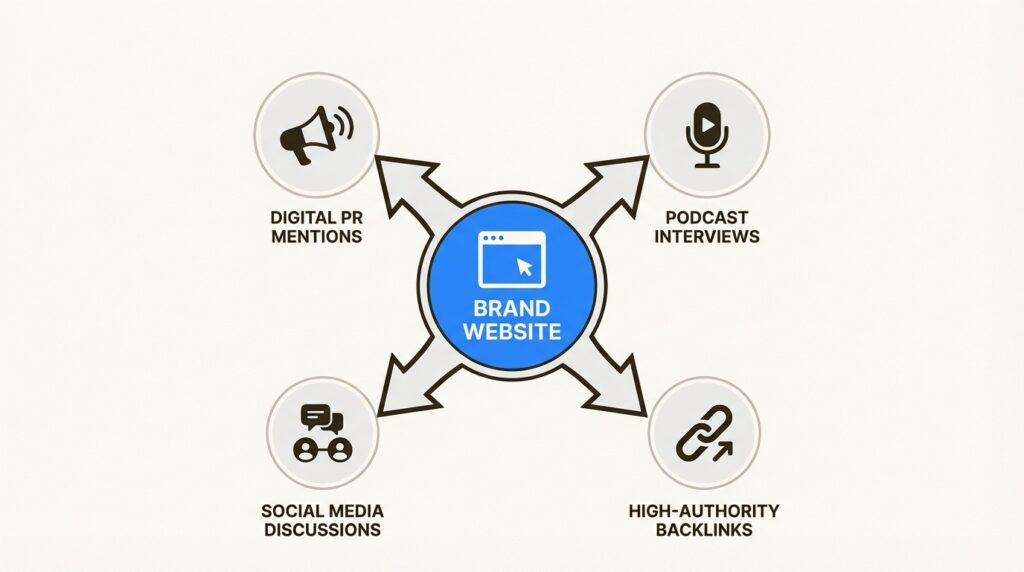
Earn authoritative mentions. Engage in digital PR to secure mentions in reputable publications. Guest contribute to industry blogs. Get interviewed on podcasts. The more credible sites that reference your brand, the stronger your authority signals become.
Monitor brand sentiment. Track mentions of your brand on platforms like Reddit and Quora. Address negative associations. Build positive discussions around your expertise. Google’s systems consider brand perception across the web.
Maintain consistent information. Ensure your Name, Address, and Phone (NAP) information is consistent across all platforms. Discrepancies can confuse AI systems about your identity and authority.
Build topical authority. Don’t try to be everything to everyone. Focus on becoming the definitive source for specific topics. Cover them in depth across multiple pieces of content. Internal link between related articles to show comprehensive coverage.
Get cited by others. The ultimate authority signal is when other reputable sources cite your content as a reference. Create original research, unique data, and insightful analysis that others want to reference. This is how you become a source that AI systems consistently select.
Tracking your AI Overview performance
Here’s the challenge: traditional rank tracking tools don’t capture AI Overview citations. If you’re only monitoring organic positions, you’re missing a significant portion of your search visibility.
Manual monitoring is possible but limited. You can search your target keywords and note when your content appears in overviews. But this is time-consuming and doesn’t scale.
Search Console provides partial data. Google includes AI Overview traffic in the overall “Web” search type in Performance reports. You can see clicks and impressions, but you can’t isolate AI Overview traffic from traditional organic traffic.
Quality indicators to watch: When users click from AI Overviews, Google reports these clicks are higher quality. Users spend more time on site and convert better. Monitor your engagement metrics, conversion rates, and time on site from search traffic. Improvements here may indicate increased AI Overview visibility.
Our approach at Decoding: We built an AI visibility tracking platform specifically for this gap. It monitors how your brand appears inside ChatGPT, Google AI Overviews, and major LLMs. You can track which queries trigger citations, monitor competitor appearances, and identify which websites AI references for content and link building opportunities. For businesses serious about AI search optimization, dedicated tracking is essential.
Common mistakes to avoid
Even experienced SEO professionals are making these errors as they adapt to AI Overviews:
Writing only for exact-match keywords. With only 5.4% exact-match mention rates, this approach is outdated. Focus on intent and context instead.
Neglecting mobile experience. Given that 81% of citations come from mobile, a poor mobile experience is a dealbreaker.
Ignoring author attribution. Anonymous content struggles to demonstrate E-E-A-T. Every piece should have clear authorship with verifiable expertise.
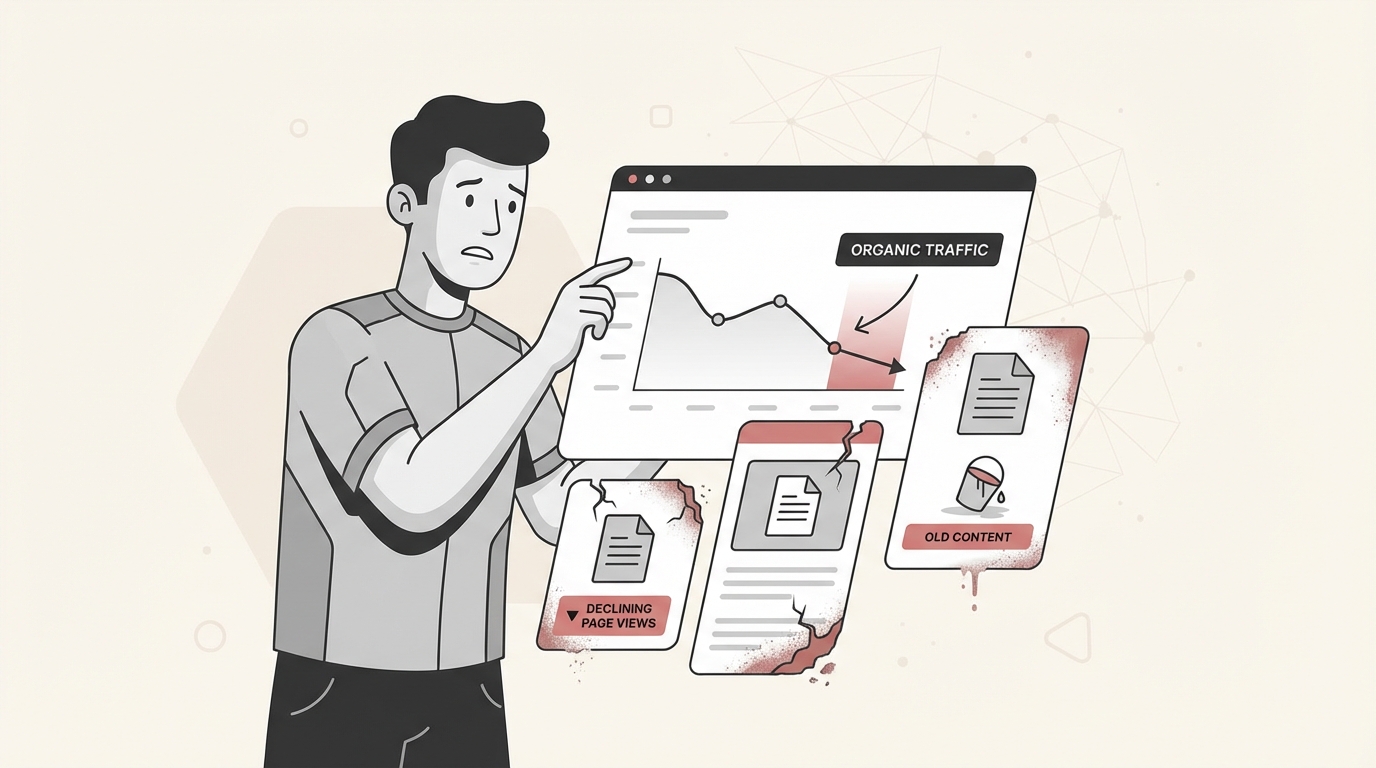
Publishing stale content. AI Overviews favor fresh, current information. Set a schedule for regular content audits and updates.
Focusing on clicks over citation quality. Yes, AI Overviews can reduce click-through rates. But the clicks you do get are higher quality. Users arriving from AI Overviews are more informed and more likely to convert.
Treating AI optimization as separate from SEO. The fundamentals haven’t changed. Good SEO, helpful content, and technical excellence still matter. AI Overviews simply add another layer of opportunity.
Start optimizing for AI search visibility today
The shift to AI-powered search isn’t coming. It’s here. Google AI Overviews are already reshaping how users find information, and this is just the beginning.
The good news? The strategies that work are accessible to everyone. You don’t need enterprise budgets or massive teams. You need:
- A foundation of E-E-A-T signals that demonstrate trustworthiness
- Content structured for both human readers and AI parsing
- Technical excellence that meets Google’s baseline requirements
- Contextual depth that answers user intent, not just keywords
- Brand credibility that extends beyond your own website
The data shows that 48% of AI Overview citations come from beyond the first page of organic results. The barrier to entry is lower than you might think. But the window for early advantage is closing. As more businesses adapt their strategies, competition for these citation spots will intensify.
At Decoding, we help businesses navigate this transition. Our approach combines 16 years of technical SEO expertise with proprietary AI visibility tracking. We don’t deliver 50-page reports filled with jargon. We provide actionable roadmaps focused on the changes that actually move revenue.
If you’re ready to understand how your brand currently appears in AI search and build a strategy to improve your visibility, let’s talk. The future of search is AI-first. The question is whether your business will be part of it.
Frequently Asked Questions
How long does it take to start ranking in Google AI Overviews after implementing these strategies?
There’s no fixed timeline, but you can expect to see initial results within 4-8 weeks for new content, assuming you already meet technical requirements. Existing content may be cited faster if you update it with fresh information and improved E-E-A-T signals.
Do I need to completely change my existing SEO strategy to rank in Google AI Overviews?
No. The fundamentals of good SEO still apply. Google explicitly states that the same technical requirements and best practices for traditional search apply to AI features. Think of AI Overview optimization as an evolution of your existing strategy, not a replacement.
Can small businesses with limited resources realistically compete for Google AI Overview citations?
Absolutely. The data shows that 48% of AI Overview citations come from beyond the first page of organic results. The average keyword difficulty for AIO-triggering queries is just 12. Focus on demonstrating genuine expertise in your niche, structure your content well, and target informational queries.
How can I tell if my content is already being cited in Google AI Overviews?
Google Search Console doesn’t currently separate AI Overview traffic from regular organic traffic. You can manually search your target keywords, or use specialized tools like Decoding’s AI visibility platform to monitor citations across Google AI Overviews, ChatGPT, and major LLMs.
Will optimizing for Google AI Overviews hurt my traditional organic rankings?
No. The strategies that help you rank in AI Overviews also support traditional SEO. Google’s systems use the same underlying signals for both. In fact, since 52% of AI Overview citations come from the top 10 organic results, improving your traditional SEO can increase your chances of AI Overview inclusion.
What types of content are most likely to be cited in Google AI Overviews?
Informational content dominates. 99.2% of AI Overviews are triggered by informational queries. Content that answers specific questions, provides how-to guidance, explains concepts, or offers comprehensive topic coverage performs best.






Leave a Reply