

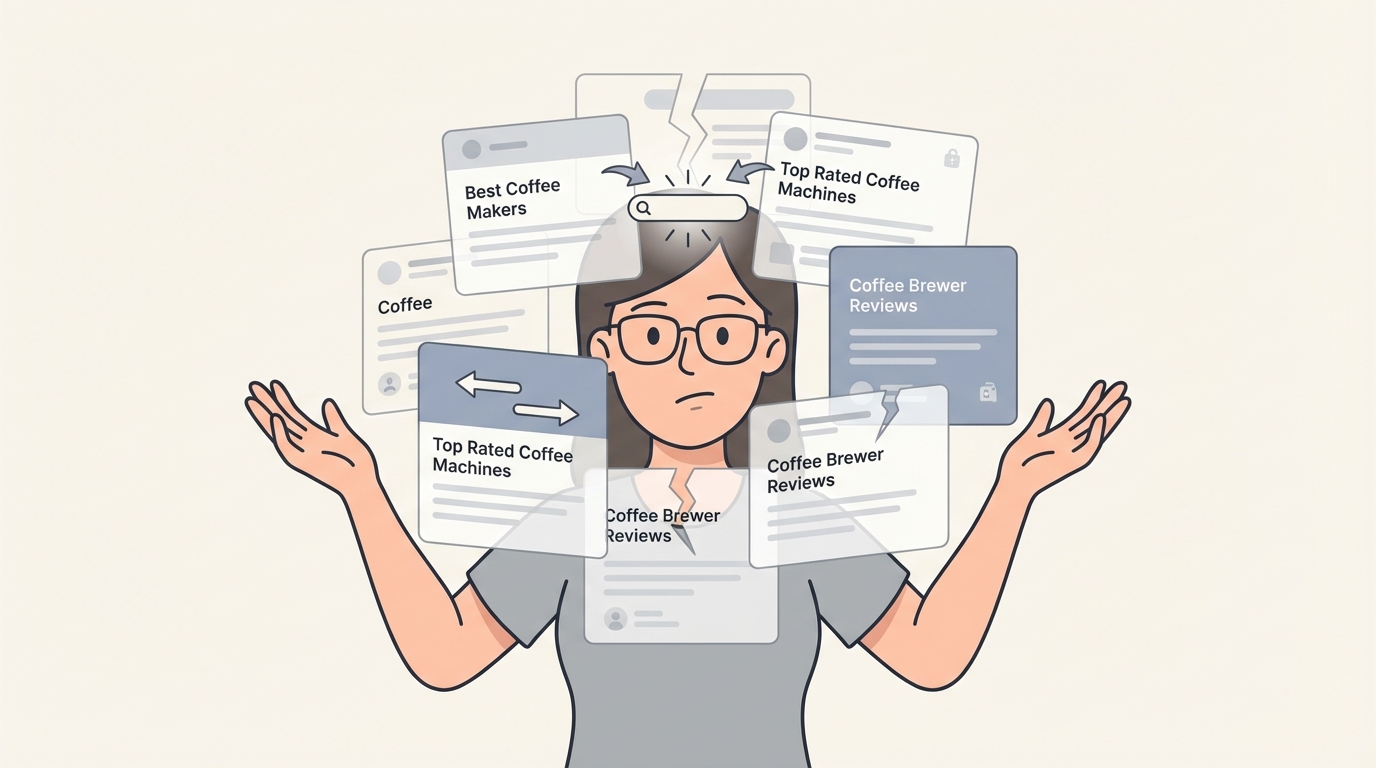
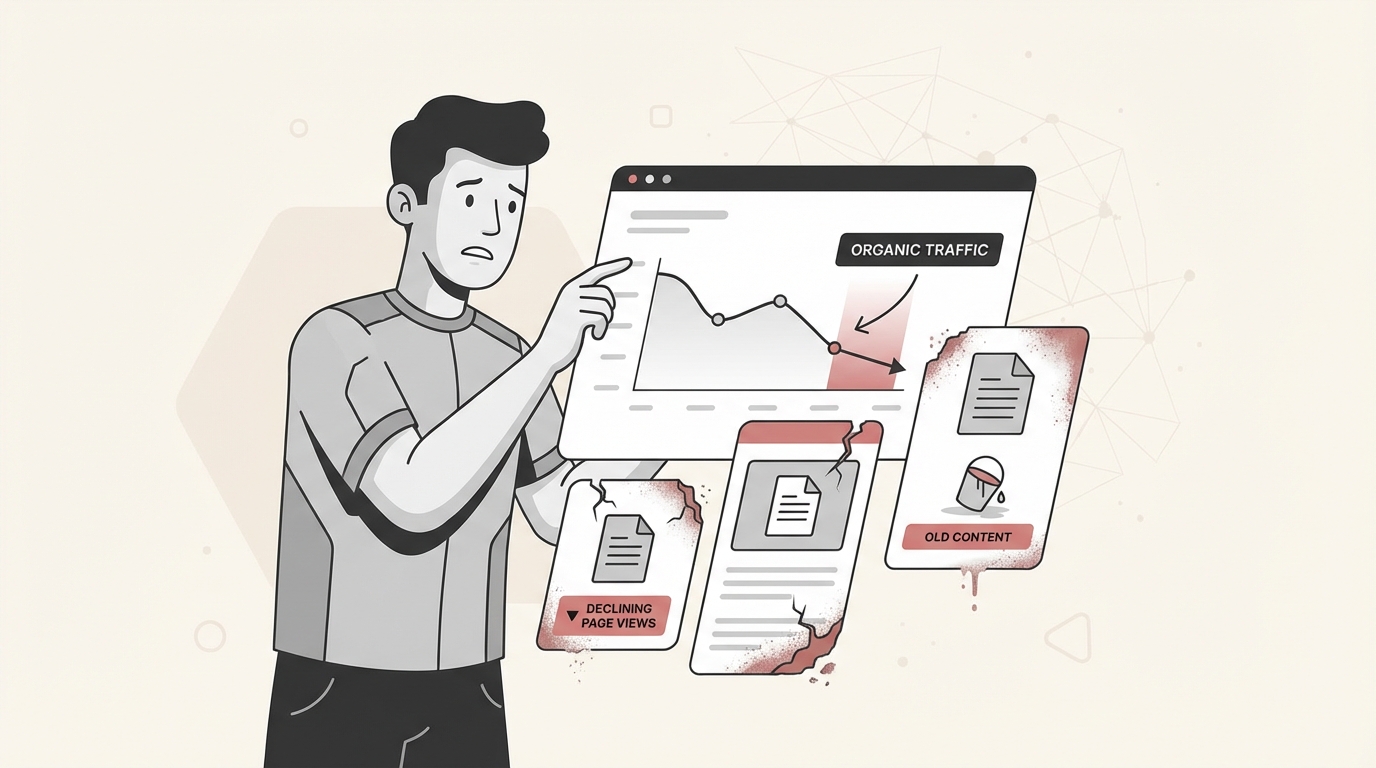
You have spent months building out your content strategy. Blog posts, landing pages, product descriptions, all optimized for search. But instead of climbing the rankings, your traffic has plateaued. Worse, pages you thought would perform are competing against each other for the same keywords.
This is content cannibalization. It’s one of the most common yet overlooked issues in SEO, and it can quietly undermine everything you have built.
Let’s break down what content cannibalization actually is, why it hurts your rankings, and how to fix it before it does real damage to your organic visibility.
What is content cannibalization?
Content cannibalization happens when multiple pages on your website target the same or very similar keywords and search intent. Instead of having one strong page that ranks well, you end up with several weaker pages competing against each other.
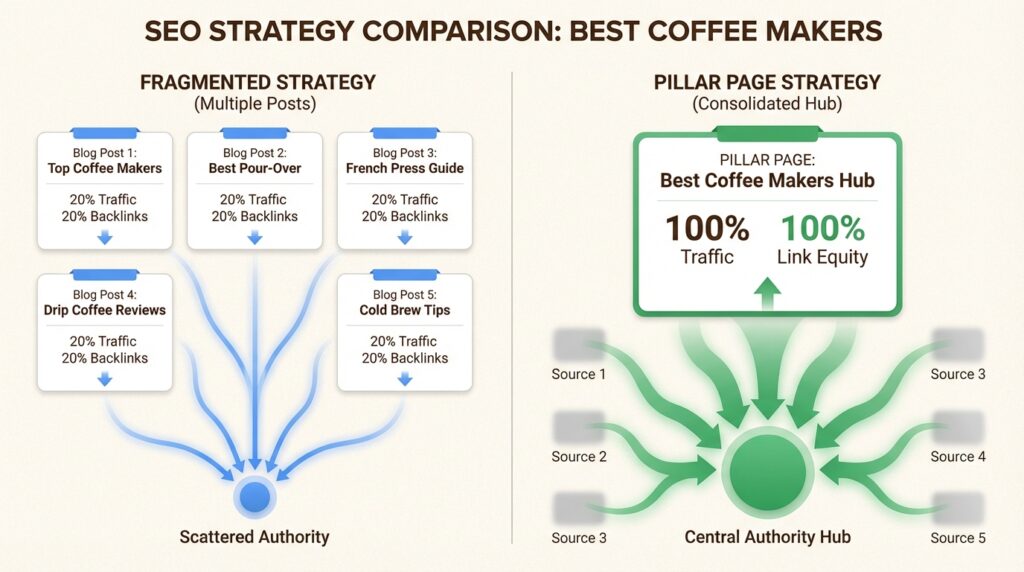
Think of it like this. Imagine you run a coffee shop and create separate pages for “best coffee makers,” “top coffee makers,” and “coffee maker reviews.” You might think you’re covering all your bases, but in reality, you’re setting up an internal rivalry. These pages are all vying for the same search results, confusing both search engines and potential customers.
It’s important to distinguish content cannibalization from keyword cannibalization. Keyword cannibalization focuses on duplicate keywords across pages. Content cannibalization is broader. It centers on overlapping topics and user intent, regardless of whether the exact keywords match. Multiple articles covering the same topic with similar value propositions create the same problem.
John Mueller, a Google Webmaster Trends Analyst, put it clearly in a Reddit AMA:
“We just rank the content we get. If a site has a bunch of pages with more or less the same content, they are going to compete with each other. It’s a lot like a bunch of schoolkids all wanting to be first in line. Eventually, someone slips in front. Personally, I prefer a few strong pages over a lot of weaker content. Don’t water down the value of your site.”
Source: Mailchimp
This matters more than ever in 2026. With the rise of AI search engines like ChatGPT, Claude, and Perplexity, having clear, authoritative content is critical. These systems need to understand which page represents your definitive take on a topic. Cannibalization confuses that signal.
Why content cannibalization hurts your rankings
When your pages compete with each other, the damage isn’t just theoretical. Here’s what actually happens:
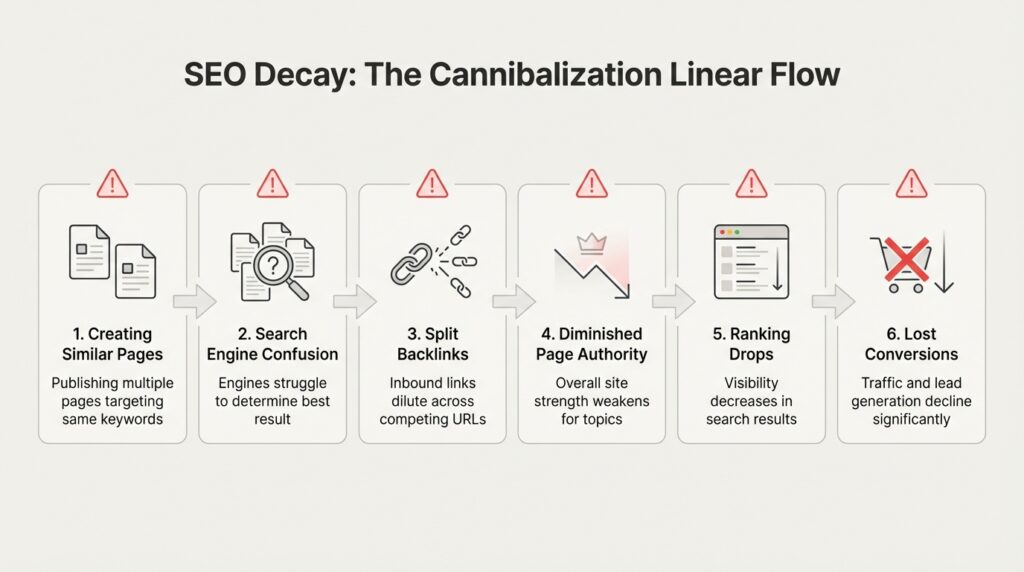
Diluted page authority. Instead of building one highly authoritative page, you end up with multiple moderately authoritative ones. Backlinks that could have consolidated on a single strong page get spread thin across several weaker ones. The result? None of your pages achieve the ranking power they could’ve had.
Confused search engines. Google struggles to determine which page deserves the top spot. As one digital strategist noted:
“For the longest time, I thought ‘surely Google is not this stupid and will simply rank the better choice of the two pages competing for the same keyword’ but the evidence, even to this day, many years later, is that they will simply de-rank both pages.”
Source: Builder Society
Wasted crawl budget. Search engines allocate a limited crawl budget to each site. When bots spend time on redundant pages, they may miss your newer, more important content. This delays indexing and can harm your site’s overall performance.
Lower click-through rates. When multiple similar pages from your domain appear in search results, users split their clicks between them. This signals to Google that none of your pages are highly relevant, potentially pushing all of them down in rankings.
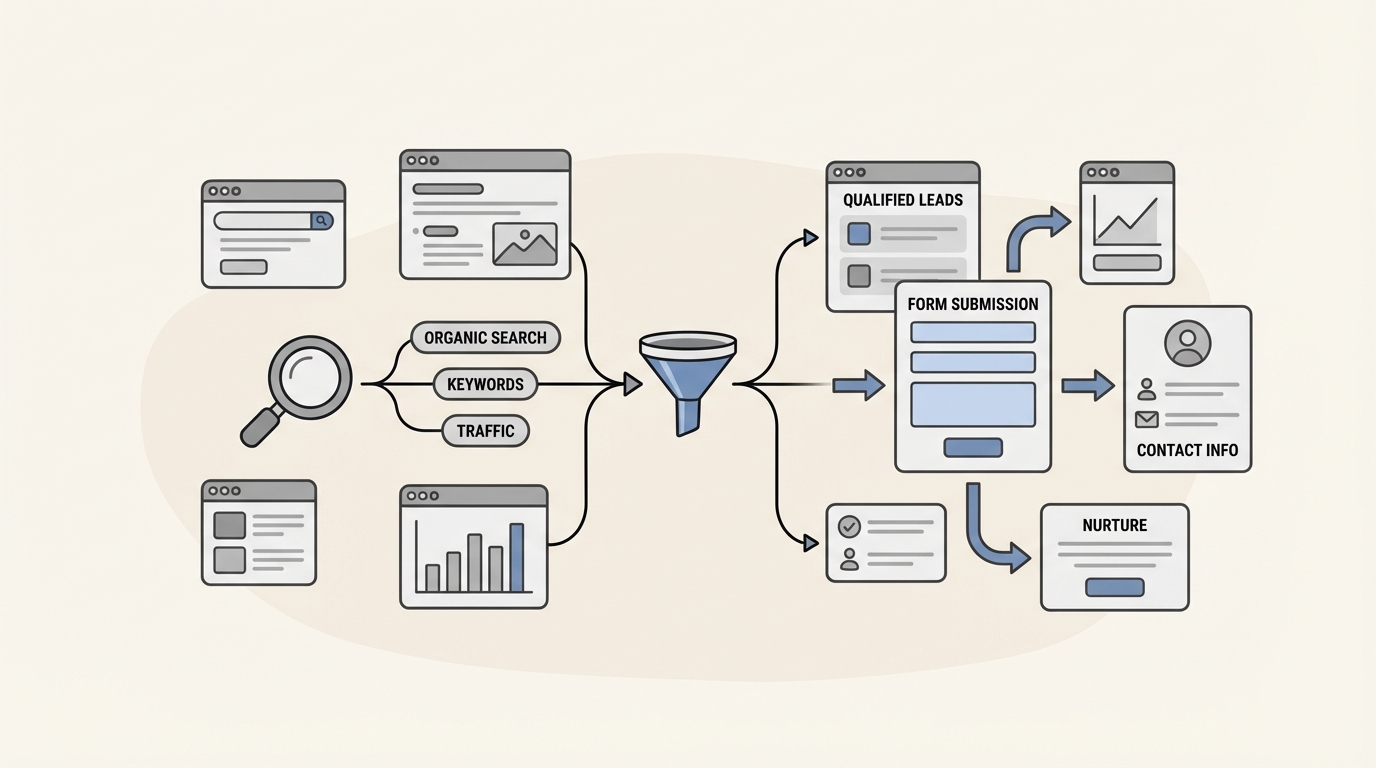
Reduced conversions. One of your pages likely converts better than the others. If a lower-quality blog post ranks higher than your dedicated service page for the same keyword, you lose potential leads. Users land on content that “kind of” meets their needs instead of the page that’d actually drive business results.
Impact on AI search visibility. Here’s where traditional SEO advice falls short. AI search engines like ChatGPT and Perplexity cite sources based on clear topical authority. When you have multiple pages competing for the same topic, LLMs struggle to determine which page represents your definitive perspective. This reduces your chances of being cited in AI-generated answers, a visibility channel that’s becoming increasingly important. Our technical SEO services can help you audit and resolve these issues.
How to identify content cannibalization issues
Finding cannibalization issues is straightforward once you know what to look for. Here’re three reliable methods:
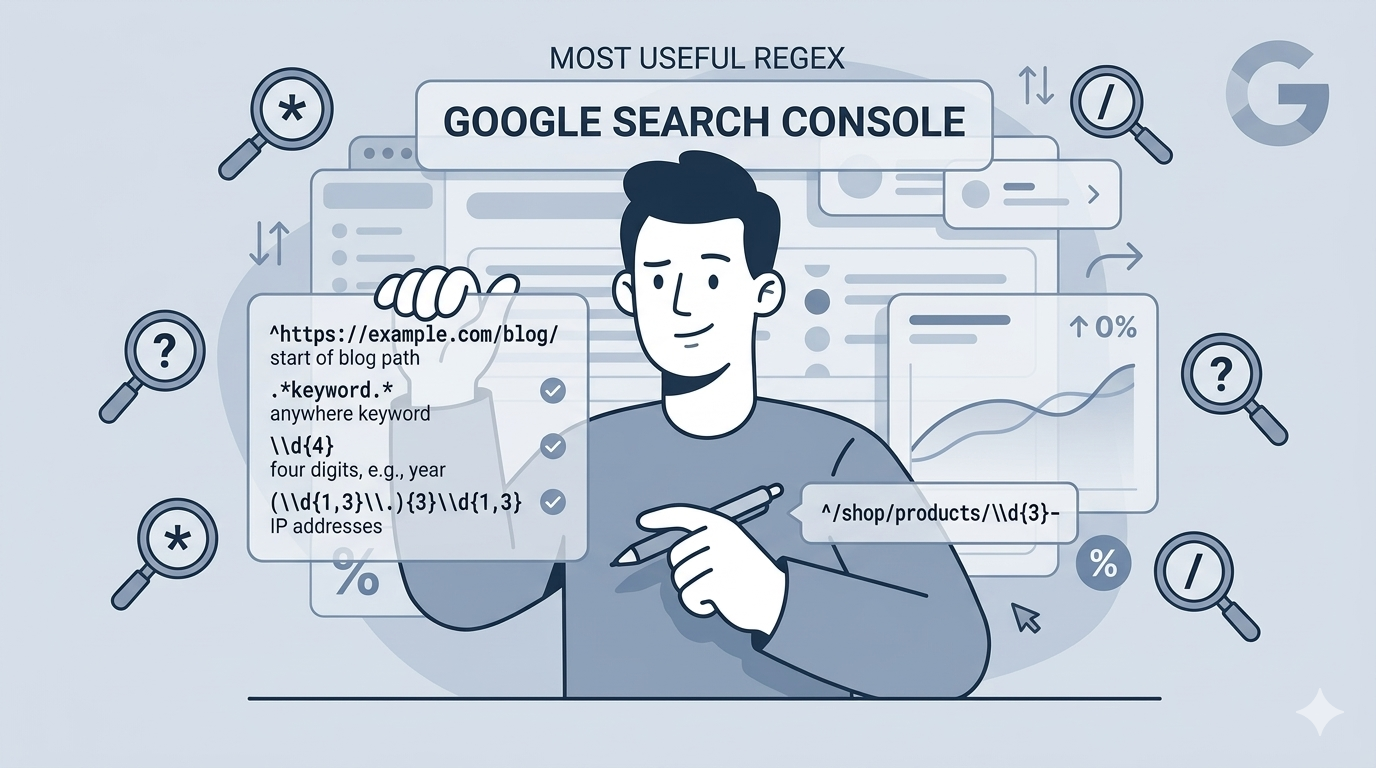
Using Google Search Console
This free tool from Google is the best starting point. Here’s the process:
- Log into Google Search Console and select your property
- Navigate to the Performance tab
- Scroll down to the Queries section and click on a keyword you suspect has cannibalization issues
- Look at the Pages tab to see which URLs are receiving impressions and clicks for that keyword
If you see multiple URLs from your site generating impressions for the same query, that’s a red flag. The page getting the most clicks is usually your strongest candidate to keep. The others are candidates for consolidation or re-optimization.
For a broader view of how your content performs across traditional and AI search, check out our guide on how to track AI visibility.
Site search operator method
A quick way to check for potential conflicts is using Google’s site search operator. Type this into Google:
site:yourdomain.com "your target keyword"This returns every page on your site that Google associates with that term. If you see multiple pages with very similar titles and descriptions, you likely have a conflict. Remember, Google ranks based on how well pages match search intent, not just the presence of keywords. So review the actual content of these pages to confirm they’re truly competing.
Content and keyword mapping
For a systematic approach, create a spreadsheet that tracks every page on your site alongside its target keyword and primary topic. Include columns for:
- URL
- Target keyword
- Primary topic/intent
- Current organic traffic
- Backlink count
Sort by target keyword and look for duplicates. When you find overlaps, compare the performance data to determine which page to prioritize. This mapping process is also foundational to a solid content strategy. One practitioner recommends documenting these in a Google Sheet to keep track of everything as your site grows.
How to fix content cannibalization
Once you’ve identified the problem pages, you’ve several options for resolving the conflict. The right approach depends on your specific situation.
Consolidate and merge competing content
This is often the most effective solution. Identify your strongest page (the one with the most traffic, backlinks, and best rankings), then merge valuable content from the weaker pages into it.
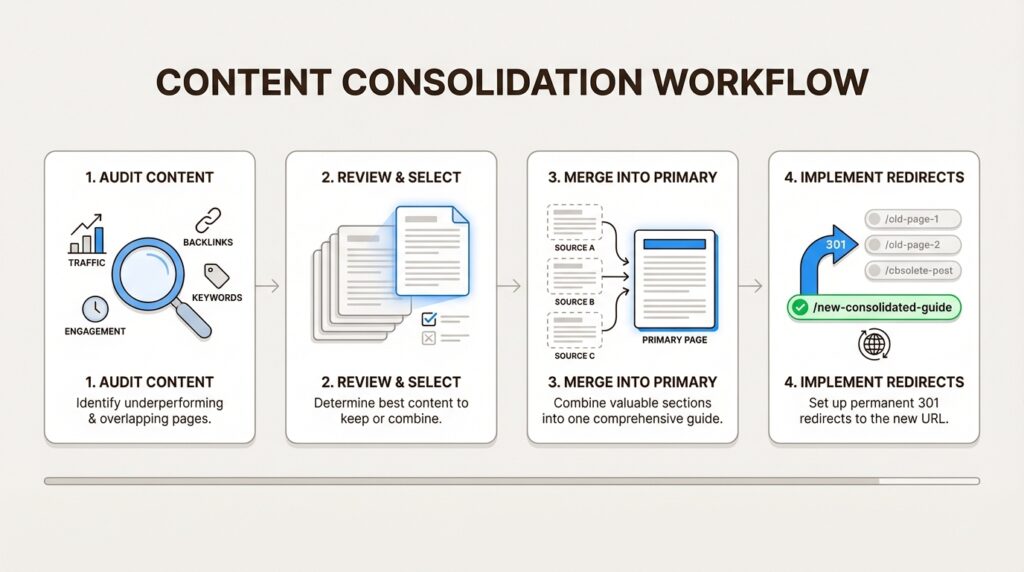
The process looks like this:
- Analyze performance metrics to choose your primary page
- Review competing pages for unique insights, data, or sections worth preserving
- Incorporate that value into your primary page
- Set up 301 redirects from the old URLs to the consolidated page
This approach combines the link equity from multiple pages into one authoritative resource. It also signals to search engines that the older pages have been replaced by a single, comprehensive piece of content.
Use canonical tags strategically
Sometimes you need to keep multiple similar pages live. This is common in e-commerce, where you might have category pages and product comparison pages targeting similar terms. In these cases, canonical tags are your friend.
A canonical tag tells search engines which version of a page should be considered the primary one for indexing. Add this to the HTTP header of your secondary page:
<link rel="canonical" href="https://www.example.com/primary-page">This consolidates ranking signals to your preferred page while keeping the secondary page accessible to users. Just don’t use canonicals as a lazy fix for content that should actually be merged or redirected.
Re-optimize for different search intents
Not all similar content needs consolidation. Sometimes the better move is to differentiate the pages by targeting distinct search intents:
- Informational intent: The searcher wants to learn about a topic
- Commercial intent: The searcher is comparing options before buying
- Transactional intent: The searcher is ready to purchase
For example, instead of having three generic “coffee maker” pages, you could have:
- “Best coffee makers for home use” (commercial intent)
- “How to choose the right coffee maker” (informational intent)
- “Commercial coffee makers: A buyer’s guide” (commercial intent, different audience)
This approach lets similar topics coexist without competing. Our GEO services can help you align content with the right search intent for both traditional and AI search visibility.
Optimize internal linking
Your internal linking structure can either worsen or resolve cannibalization. Audit your site and ensure that internal links with specific anchor text point to your preferred page for that topic.
For example, if you’ve decided that /guides/seo-basics is your primary page for SEO fundamentals, every internal link using anchor text like “SEO basics” or “search engine optimization guide” should point there. Don’t split those signals across multiple pages.
Prevention strategies for long-term success
Fixing existing cannibalization is important, but preventing it’s even better. Here’s how to keep your content strategy clean as you scale:
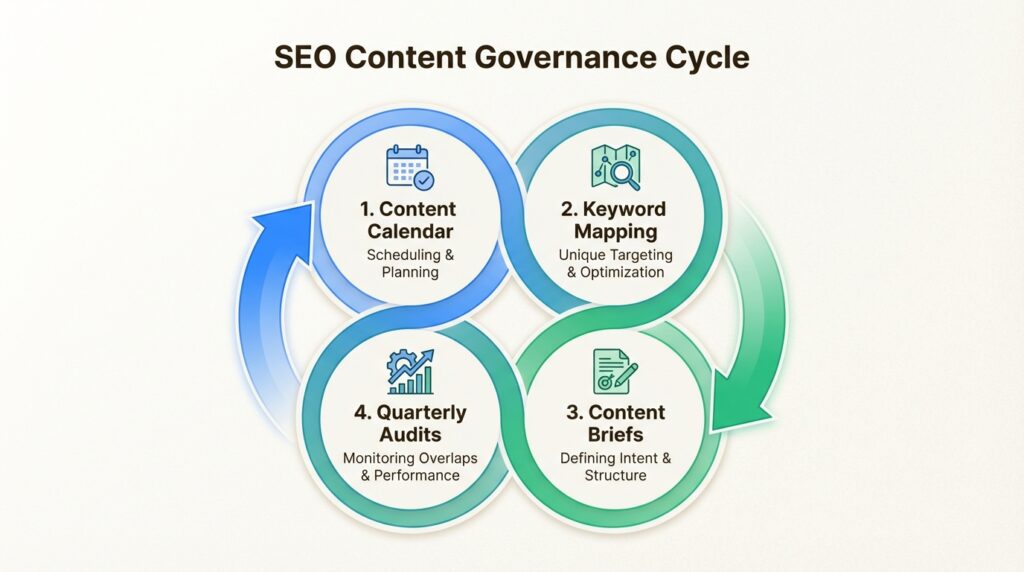
Conduct regular content audits. Schedule quarterly reviews of your existing content. Look for overlapping pages, outdated posts, or content that no longer fits your strategy. Early detection prevents small issues from becoming major problems.
Maintain a keyword mapping document. Before creating any new content, check your mapping spreadsheet to ensure no existing page already targets that keyword or topic. Assign a unique primary keyword to every page and document it.
Write with a clear content brief. Every piece of content should start with a brief that outlines the target keyword, search intent, key points to cover, and how it supports your existing content ecosystem. This keeps your team aligned and prevents accidental overlap.
Use a content calendar. Track planned topics and their target keywords in a shared calendar. This makes it easy to spot potential conflicts before you start writing. Include target keywords in the calendar so overlaps are visible at a glance.
Prevention requires discipline, but it’s far easier than untangling a web of competing content later. Our comprehensive AI SEO services include content strategy development to help you build systems that scale without cannibalization issues.
When content cannibalization is not a problem
Not every case of multiple pages ranking for the same keyword is harmful. Here’re situations where it’s actually fine:
Different search intents. If one page provides general information about a topic and another offers templates or tools for that same topic, they serve different purposes. Both can rank without conflict because they satisfy different user needs.
Geographic targeting. A business with separate landing pages for different locations (like McDonald’s having different pages for the US, UK, and South Africa) naturally has multiple pages targeting similar keywords. This is intentional and acceptable.
SERP feature diversity. Sometimes you want multiple page types to capture different search features. A how-to guide might target the featured snippet while a comprehensive resource targets standard organic results.
The key is intentionality. Strategic multi-page targeting is fine. Accidental overlap that confuses search engines is what you want to avoid.
Build a stronger content strategy with Decoding
Content cannibalization is a silent killer of SEO performance. It dilutes your authority, confuses search engines, and costs you traffic you should be capturing. The good news is that it’s entirely fixable with a systematic approach.
Start by auditing your existing content to identify overlaps. Consolidate where it makes sense, differentiate where it doesn’t, and build prevention systems to avoid future issues. Regular maintenance is far easier than major cleanup projects.
At Decoding, we help businesses build content strategies that scale. From content strategy development to technical SEO audits, we identify and resolve cannibalization issues that are holding back your organic growth. Our AI visibility audit can also show you how cannibalization affects your presence in AI search engines.
The goal isn’t just to fix cannibalization. It’s to create a content ecosystem where every page has a clear purpose, targets a distinct audience need, and works together to build your overall authority. That’s how you win in both traditional search and the emerging world of AI-powered discovery.
Frequently Asked Questions
How do I know if my site has a content cannibalization problem?
Check Google Search Console for multiple pages receiving impressions for the same query. You can also use the site search operator site:yourdomain.com “keyword” to see which pages Google associates with specific terms. If multiple pages have similar titles and content targeting the same intent, you likely have cannibalization.
What is the fastest way to fix content cannibalization issues?
The most effective approach is to consolidate competing pages into one authoritative resource. Identify your strongest page (based on traffic, backlinks, and rankings), merge valuable content from weaker pages into it, and set up 301 redirects from the old URLs. This passes link equity to your primary page and eliminates the competition.
Can content cannibalization affect my visibility in AI search engines like ChatGPT?
Yes. AI search engines cite sources based on clear topical authority. When you have multiple pages competing for the same topic, LLMs struggle to determine which page represents your definitive perspective. This reduces your chances of being cited in AI-generated answers, making cannibalization an issue for both traditional SEO and AI search visibility.
How often should I audit my content for cannibalization issues?
Schedule quarterly content audits to catch issues early. For larger sites or those publishing frequently, monthly reviews may be necessary. The key is building cannibalization checks into your regular content maintenance workflow rather than treating it as a one-time fix.
Should I always merge pages that target similar keywords?
Not necessarily. If the pages serve different search intents (one informational, one commercial), they can coexist. The problem is unintentional overlap where pages compete for the same intent. Evaluate each case individually. Sometimes re-optimizing for distinct intents is better than merging.
What tools can help me identify content cannibalization?
Google Search Console is the best free tool for identifying cannibalization. For more advanced analysis, tools like Ahrefs, Semrush, and Moz Pro offer keyword tracking features that surface competing pages. A simple spreadsheet for keyword mapping also works well for smaller sites.





Leave a Reply